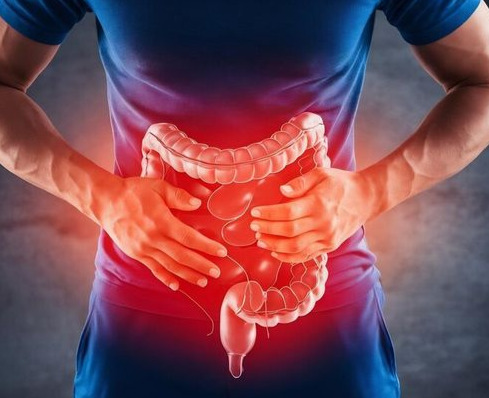
Stomach discomfort, bloating, constipation today, diarrhea tomorrow, burning pain after eating, feeling full too fast, and yet hospital tests keep coming back “normal?”
Well, for many people, this is not ulcers, typhoid, or food poisoning, but it is IBS with dyspepsia signs. This is something far more common, frustrating, and misunderstood. This condition affects millions globally, and urban lifestyles, stress, diet, and gut infections make it increasingly common in Africa.
What Is IBS Dyspepsia In Simple Terms?
IBS dyspepsia is a condition where the stomach and intestines don’t work smoothly, even though doctors may not find any wounds, ulcers, or serious disease. Think of it like this: the digestive system looks fine, but it behaves badly. People with IBS dyspepsia experience indigestion in the upper stomach and bowel problems in the lower abdomen at the same time.
Irritable Bowel Syndrome (IBS)
IBS affects the large intestine and is linked to gut function, not structural damage. Common IBS symptoms:
Recurrent abdominal pain
Constipation, diarrhea, or alternating between both
Excess gas and bloating
Relief after passing stool
Mucus in stool (without blood)
Functional Dyspepsia
Dyspepsia affects the upper digestive tract (stomach). Common dyspepsia symptoms:
Upper abdominal pain or burning
Feeling full after eating small amounts
Nausea
Excessive burping
Indigestion without ulcers
When both sets of symptoms occur together, patients feel as if their entire digestive system is misbehaving—from the stomach to the bowels.
Why Is IBS Dyspepsia So Common?
IBS dyspepsia is common because modern life puts a lot of pressure on the digestive system. Many live in a way that quietly upsets how the gut works, even when there is no serious disease.
1. Stress Affects the Stomach and Bowels
The brain and the gut are connected. When you are stressed about work, money, traffic, or family, your digestion slows down or becomes irregular.
Stress can cause stomach burning, bloating, constipation, or diarrhea, even without ulcers or infection.
2. Irregular Eating Habits
Skipping meals, eating late at night, or eating too fast confuses the digestive system. The stomach and intestines start reacting badly, leading to indigestion and bowel discomfort.
3. Common Gut Infections
Many people develop IBS dyspepsia after recovering from typhoid, food poisoning, or stomach infections. Even when the infection clears, the gut remains sensitive and easily irritated.
4. Diet That Irritates the Gut
Frequent intake of:
Oily and spicy foods
Strong tea, coffee, and soda
Street food is eaten irregularly
5. Overuse of Antibiotics
Using antibiotics can kill good gut bacteria. When this balance is disturbed, digestion becomes abnormal, causing gas, discomfort, and irregular stools.
6. Busy Urban Lifestyle
Long sitting hours, little exercise, poor sleep, and constant rushing slow down digestion and increase gut sensitivity.
Common Signs and Symptoms of Dyspepsia
1. Burning or Pain in the Upper Stomach
Many people feel a burning sensation or dull pain just below the chest, especially after meals. Some describe it as “acidic” or “a hot feeling in the stomach.”
2. Feeling Full Too Quickly
You start eating but feel full after just a few bites. Even small meals can leave you uncomfortable, heavy, or bloated.
3. Bloating and Excess Gas
The stomach may feel tight, swollen, or gassy. You may burp a lot, yet still feel uncomfortable.
4. Nausea (Feeling Like Vomiting)
Some people feel sick after eating, though they may not actually vomit. This feeling can last for hours.
5. Frequent Burping
Excessive burping, especially after meals, is a common sign of dyspepsia.
6. Indigestion After Eating
Symptoms usually worsen after meals, especially after fatty, spicy foods, tea, coffee, or soda.
7. Discomfort That Comes and Goes
Dyspepsia symptoms often appear, disappear, and return. One day you may feel fine, the next day the discomfort is back.
Why Dyspepsia Can Be Dangerous
When symptoms are ignored, they can affect quality of life and become life-threatening.
It can cause daily discomfort and pain
Interfere with eating, work, and sleep
Create anxiety and fear about serious illness
Lead to repeated hospital visits and unnecessary tests
In simple terms, IBS dyspepsia means your stomach and intestines are uncomfortable, but not damaged. It won’t kill you, but it can make life uncomfortable if not managed properly.
How Is IBS Dyspepsia Diagnosed?
At Health-Link Natural Clinic, we diagnose functional dyspepsia by confirming your symptoms and ruling out other causes. These include chronic acid reflux (GERD) and peptic ulcer disease.
Tests might include:
Blood
Breath tests
Gastric emptying studies
Upper endoscopy
If tests reveal underlying factors, such as bacterial overgrowth or a motility disorder, we will treat those first. Medications for functional dyspepsia might include:
Antibiotics
Acid blockers
Prokinetics to encourage movement in your GI tract.
A Note from Health-Link Natural Clinic
Dyspepsia associated with IBS can be a frustrating diagnosis for those seeking answers. Medical tests can help identify or rule out certain factors that may contribute to your symptoms. However, you are ultimately the best person to recognize what alleviates or worsens your condition. As you experiment with different treatments and identify your triggers, you will discover your own way to manage functional dyspepsia.

Dyspepsia
IBS Dyspepsia Explained: The Gut Problem Many Are Quietly Living With