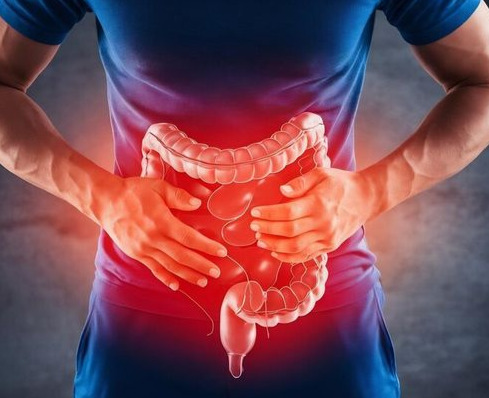

Why Is My Stomach Always Full of Gas? Causes and What You Can Do
There is nothing quite as humbling as sitting quietly in a meeting while your stomach decides it is time for a full percussion concert. First comes the rumbling. Then the bloating. Then the desperate search for somewhere private to go and ease the gas out.
Something as ordinary as gas can cause uncomfortable, embarrassing moments. But passing gas is actually a normal part of being human. The real question is: when does normal gas become too much, and what is your stomach trying to tell you?
Gas in the stomach is something almost everyone experiences, but when it becomes frequent, painful, embarrassing, or persistent, it can be a sign that something needs attention. From constant burping and a bloated stomach to excessive farting, abdominal discomfort, and feeling unusually full after eating, excess stomach gas can affect your comfort and quality of life.
The good news is that stomach gas is usually not dangerous and can often be managed by identifying its cause.
How Gas Forms in the Digestive System
Gas enters and builds up in two main ways.First, you swallow air (aerophagia). Everyone does this a little while eating and drinking. You swallow more when you eat or drink quickly, talk while chewing, chew gum, suck sweets, drink through a straw, smoke, or take carbonated drinks like soda or beer. Most of this air comes back up as a burp. What doesn’t get burped can move into the intestines.
Second, bacteria in the large intestine (colon) ferment undigested food. Carbohydrates that your small intestine does not fully break down — certain fibres, sugars (like lactose in milk), and complex carbs in beans and some vegetables — reach the colon. Gut bacteria break them down and release gases, mainly hydrogen, carbon dioxide, and sometimes methane. A small amount of sulphur-containing gases creates the smell. The average person produces and passes gas about 13–21 times a day; more than that, or when it causes pain and bloating, becomes a problem.
Common Causes of Excessive Gas
1: Eating Gas-Producing Foods
Certain foods naturally produce more gas during digestion. Common examples include: Beans and other legumes, Lentils, Peas, Cabbage, Broccoli, Cauliflower, Onions, Some fruits, Whole grains, Milk and other dairy products in people who are lactose intolerant and Fizzy drinks. This does not mean these foods are unhealthy. Many are highly nutritious. The issue is that some people's digestive systems are more sensitive to them.
For example, beans are an excellent source of protein and fibre, but they can cause considerable gas when someone suddenly increases their intake.
2: Eating Too Quickly
When you eat quickly, you tend to swallow more air. You may also chew your food less thoroughly, which can make digestion less comfortable.
Slow down, chew your food properly and give yourself enough time to eat.
3: Carbonated Drinks
Sodas, sparkling water and other carbonated beverages contain dissolved carbon dioxide. Drinking them can introduce additional gas into your digestive system.
If you frequently experience bloating and excessive burping, reducing fizzy drinks may make a noticeable difference.
4. Constipation
Constipation can make it difficult for gas to move through the intestines. When stool remains in the bowel for longer, you may experience:
Bloating
Abdominal pressure
Stomach cramps
Difficulty passing stool
Increased discomfort from trapped gas
Treating constipation can therefore help reduce bloating and gas.
5. Lactose Intolerance
Some people cannot properly digest lactose, the natural sugar found in milk and many dairy products. When lactose reaches the large intestine without being properly digested, bacteria ferment it and produce gas. Possible symptoms include:
Bloating
Abdominal cramps
Diarrhoea
Excessive gas
Stomach rumbling
If symptoms repeatedly occur after drinking milk or eating dairy products, lactose intolerance may be worth discussing with a healthcare professional.
6. Irritable Bowel Syndrome (IBS)
Irritable bowel syndrome, commonly known as IBS, can cause bloating, abdominal pain, gas and changes in bowel habits. Some people experience constipation, while others experience diarrhoea or alternating constipation and diarrhoea.
IBS does not mean there is necessarily damage to the intestines, but the digestive system can become particularly sensitive to normal intestinal activity.
7. Indigestion
Indigestion, medically known as dyspepsia, may cause:
Upper abdominal discomfort
Feeling excessively full after eating
Bloating
Burping
Nausea
Burning or discomfort in the upper abdomen
Repeated indigestion should be assessed, particularly when it is persistent.
8. Acid Reflux and GERD
Acid reflux occurs when stomach contents flow back towards the oesophagus. People with reflux may experience heartburn, sour-tasting fluid in the mouth, burping and discomfort after meals.
Repeated excessive burping can sometimes occur alongside reflux.
9. H. pylori Infection and Stomach Problems
Helicobacter pylori (H. pylori) is a bacterium that can infect the stomach and is associated with gastritis and peptic ulcers.
H. pylori does not simply mean "gas in the stomach." However, someone with an H. pylori-related stomach problem may experience bloating, indigestion, abdominal discomfort, nausea or frequent burping.
If you have persistent stomach symptoms, proper medical assessment is more useful than repeatedly treating the gas alone.
10. Food Intolerances
Apart from lactose intolerance, some people find that particular foods trigger bloating and gas. Keeping a simple food and symptom diary can help identify patterns.
Instead of eliminating large numbers of foods at once, record what you eat and when symptoms occur. This makes it easier to identify genuine triggers.
Symptoms of Excess Stomach Gas
Excess gas can cause different symptoms depending on where it accumulates. Common symptoms include:
Frequent burping
Excessive farting
Bloated stomach
Feeling unusually full
Abdominal pressure
Stomach rumbling
Abdominal cramps
Passing gas with a strong smell
Feeling that gas is trapped
Temporary relief after passing gas
Why Does Gas Sometimes Smell So Bad?
Most intestinal gas is actually odourless. The unpleasant smell usually comes from tiny amounts of sulphur-containing compounds produced by intestinal bacteria. Foods containing sulphur and certain digestive processes can therefore contribute to stronger smell.
A bad smell by itself does not necessarily mean that you have a serious disease.
Why Does My Stomach Feel Bloated But I Cannot Pass Gas?
This can happen when gas becomes temporarily trapped in the digestive tract. Constipation, changes in bowel movement, certain foods and digestive disorders can contribute. Gentle movement, adequate hydration and addressing constipation may help.
However, severe abdominal swelling accompanied by significant pain, vomiting or inability to pass both stool and gas requires urgent medical attention, because intestinal obstruction is one possible cause.
How to Reduce Stomach Gas Naturally
The most effective solution depends on the cause. However, several simple habits can help.
Eat Slowly
Take your time when eating and chew food properly. This can reduce the amount of air you swallow.
Reduce Fizzy Drinks
If you regularly drink soda or other carbonated beverages and experience bloating, try reducing them and observe whether your symptoms improve.
Drink Enough Water
Adequate fluid intake supports normal bowel function and can be particularly helpful when constipation contributes to bloating.
Exercise Regularly
Walking and other forms of physical activity can help stimulate normal movement of the digestive tract. A short walk after eating may be more comfortable than immediately lying down.
Increase Fibre Gradually
Fibre is important for healthy digestion, but suddenly increasing fibre can cause significant gas. If you are increasing foods such as beans, vegetables or whole grains, do so gradually and give your digestive system time to adjust.
Identify Your Trigger Foods
Do not automatically eliminate nutritious foods simply because they can cause gas. Instead, identify which foods consistently trigger your symptoms and consider discussing persistent problems with a healthcare professional or dietitian.
What About Beans?
For many Kenyan households, beans, ndengu, peas and other legumes are important and affordable sources of protein and fibre. You do not necessarily need to stop eating them because they cause gas.
Try:
Introducing them gradually if your intake has been low
Eating reasonable portions
Drinking adequate fluids
Eating slowly
Paying attention to your individual tolerance
If beans consistently cause severe symptoms, investigate why rather than simply removing them permanently from your diet.
When Should You See a Doctor About Gas?
Occasional gas is normal. Persistent or troublesome symptoms deserve more attention.
Visit Health-Link Natural Clinic if you have:
Persistent or worsening abdominal pain
Unexplained weight loss
Blood in your stool
Black, tarry stools
Persistent vomiting
Fever
Difficulty swallowing
Severe or persistent diarrhoea
Significant constipation
Recurrent vomiting
A persistent change in bowel habits
Severe abdominal swelling
Symptoms that repeatedly wake you from sleep
Gas and bloating that continue despite dietary changes
Seek Urgent Medical Attention
Severe abdominal pain, repeated vomiting, a swollen abdomen and inability to pass stool or gas can indicate a potentially serious problem such as intestinal obstruction. Do not assume severe abdominal symptoms are simply "gas."
Is Excess Gas a Sign of Cancer?
In most cases, gas and bloating are not caused by cancer. However, persistent digestive symptoms should not automatically be dismissed as gas, especially when they occur alongside unexplained weight loss, blood in the stool, persistent vomiting, anaemia, difficulty swallowing or a significant change in bowel habits.
The important point is not to panic but also not to ignore persistent warning signs.
Common Questions About Stomach Gas
Is stomach gas normal?
Yes. Gas is a normal part of digestion. The concern is when it becomes excessive, painful, persistent or associated with other worrying symptoms.
Why do I fart so much?
Frequent flatulence can result from swallowing air, diet, constipation, food intolerance or digestive conditions such as IBS. Identifying patterns in your diet and bowel habits can help determine the cause.
Why do I burp all the time?
Frequent burping is often related to swallowing excess air, eating quickly, carbonated drinks or reflux. Persistent excessive burping should be evaluated if it is accompanied by pain, heartburn, difficulty swallowing or other symptoms.
Can drinking water reduce gas?
Water does not directly eliminate all gas, but adequate hydration can support normal bowel movements and may help when constipation contributes to bloating.
Does fasting cure stomach gas?
Not necessarily. Fasting may temporarily reduce symptoms for some people by reducing food intake, but it does not automatically treat the underlying cause of recurrent gas. If you have a stomach condition, prolonged fasting without appropriate guidance may not be suitable.
Can stress cause gas and bloating?
Yes. Stress can affect the way the digestive system functions and can also influence how strongly a person perceives normal digestive sensations. Stress may therefore worsen bloating and other gastrointestinal symptoms.
The Bottom Line
Stomach gas is normal—but excessive gas should not simply be accepted as part of everyday life. For many people, the solution may be as simple as eating more slowly, reducing fizzy drinks, managing constipation, adjusting trigger foods and becoming more physically active. But recurrent gas can also occur alongside conditions such as lactose intolerance, IBS, acid reflux, indigestion and other digestive disorders.
The most important step is to find the reason the gas keeps returning rather than repeatedly treating the symptom without investigating the cause.
If your gas is persistent, painful or accompanied by unexplained weight loss, blood in the stool, vomiting, severe abdominal pain or other unusual symptoms, call Doctor Chris on 0721500900 or visit any of our nearest branches for treatment.
Your digestive system is giving you information. Listen to it rather than simply masking the symptoms.