H. pylori Diet Plan: Foods to Eat and a 7-Day Kenyan Meal Plan
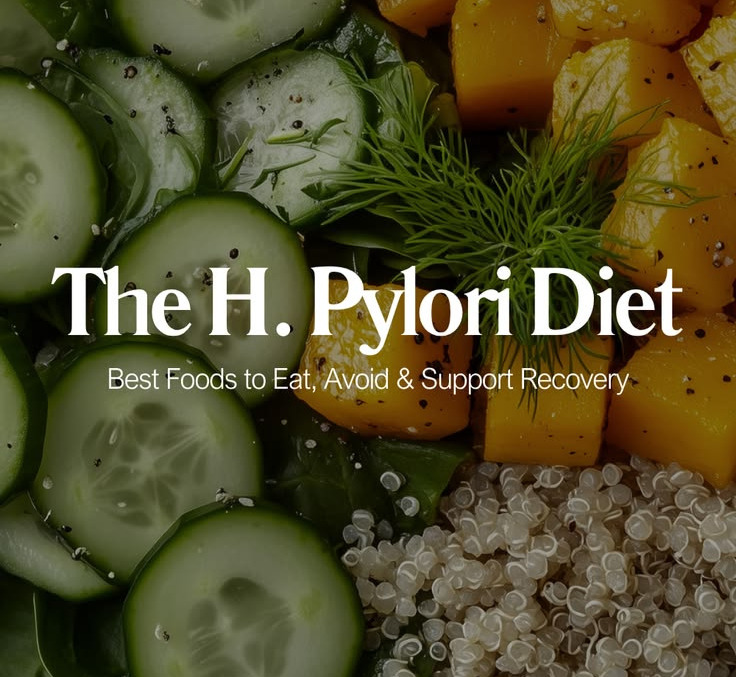
If you have H. pylori, what should you eat? A good H. pylori diet can help you choose meals that are gentle on the digestive system while providing the nutrients your body needs. For patients in Kenya, this does not mean relying on expensive or unfamiliar foods. Many everyday Kenyan foods—including sweet potatoes, arrowroots, millet, traditional vegetables, fish, beans, green grams, avocado and fermented foods—can be incorporated into a balanced H. pylori management diet.
The Health-Link Natural Clinic H. pylori Management Diet Plan provides a practical seven-day meal guide designed around readily available foods. It includes breakfast, snacks, lunch and dinner from Monday to Sunday, with meals such as fermented millet porridge, sweet potatoes, arrowroots, plain probiotic yoghurt, pawpaw, githeri, brown ugali, fish, chicken, beans, ndengu, traditional vegetables and soft-cooked greens.
What Is the Best Diet for H. pylori?
There is no single food that can cure Helicobacter pylori (H. pylori). However, choosing suitable foods can make eating more comfortable and help you maintain a balanced diet while managing digestive symptoms. The H. pylori management diet focuses on meals that are soft, well-cooked and relatively mild, while incorporating fruits, vegetables, lean protein, whole-food carbohydrates and fermented foods.
Fermented foods are included regularly in the meal plan. Breakfast options include fermented millet or sorghum porridge, raw fermented milk, plain probiotic yoghurt and mala. Plain yoghurt is also used as a snack on several days.
Kenyan Foods to Eat When Managing H. pylori
One advantage of this diet plan is that it uses foods that are readily available in Kenya. Instead of completely changing your normal diet, you can make healthier choices within familiar Kenyan meals.
1. Sweet Potatoes and Arrowroots
Sweet potatoes and arrowroots are included several times throughout the seven-day plan. They can be boiled and eaten with foods such as eggs, avocado or fermented milk. The plan recommends two sweet potatoes on some mornings and boiled or mashed arrowroots as another breakfast or snack option.
2. Traditional Kenyan Vegetables
Vegetables such as managu, terere, mrenda and spinach feature prominently in the plan. They can be served with ugali, rice, matoke, potatoes or other staple foods. The plan also recommends vegetables such as cabbage, broccoli, zucchini and carrots.
3. Fish and Skinless Chicken
Fish and skinless chicken provide protein options throughout the week. The plan recommends fish served with traditional vegetables, brown ugali, mashed sweet potatoes or soft-cooked greens. Mildly prepared skinless chicken with garlic and ginger is another option included in the meal plan.
4. Beans, Green Grams and Githeri
Plant-based proteins are also an important part of the meal plan. Green grams (ndengu), beans, lentils and soft githeri appear at different meals. The recommended approach is to cook these foods until soft and combine them with vegetables and suitable carbohydrate sources.
5. Fruits and Avocado
The meal plan includes fruits such as pawpaw, watermelon, banana, apple and pear, as well as avocado. These can be used as snacks or incorporated into breakfast and other meals.
7-Day H. pylori Diet Plan for Kenyan Patients
The accompanying diet plan provides a complete Monday-to-Sunday schedule with breakfast, snacks, lunch and dinner. Some of the meals include fermented porridge with eggs and avocado, brown ugali with traditional vegetables and fish, githeri with steamed vegetables, matoke with fish or beef stew, millet ugali with traditional vegetables, soft rice with beans, pumpkin with lentils and boiled green bananas, and fish or chicken served with sweet potatoes or matoke.
Download or view the complete H. pylori Management Diet Plan below and use it as a practical guide when planning your meals for the week.
Foods to Be Careful With When You Have H. pylori
People with H. pylori may find that certain foods aggravate their digestive symptoms. Because individual tolerance differs, pay attention to foods that consistently cause discomfort and discuss persistent symptoms with a healthcare professional.
Rather than focusing only on what you cannot eat, a better approach is to build meals around nutritious foods that you tolerate well. The Health-Link Natural Clinic plan emphasizes soft-cooked meals, fermented foods, vegetables, fruits, lean proteins and familiar Kenyan staples.
Can Diet Cure H. pylori?
Diet should not be presented as a cure for H. pylori infection. Food choices can form part of a healthy digestive-health routine, but anyone diagnosed with H. pylori should seek appropriate medical assessment and treatment.
The purpose of an H. pylori management diet is to provide nutritious, practical meals that may be easier to tolerate while supporting overall dietary and digestive health. If you have persistent stomach pain, vomiting, unexplained weight loss, blood in your stool or vomit, or severe digestive symptoms, seek medical attention promptly.
Start Your H. pylori-Friendly Meal Plan
Managing H. pylori does not mean abandoning Kenyan foods. With the right preparation and balanced portions, familiar foods such as sweet potatoes, arrowroots, ugali, rice, matoke, githeri, beans, ndengu, fish, chicken, traditional vegetables, fruits and fermented foods can form part of a structured weekly meal plan.
Download the Health-Link Natural Clinic H. pylori Management Diet Plan and follow the seven-day guide for practical breakfast, snack, lunch and dinner ideas.
Frequently Asked Questions About the H. pylori Diet
What foods can I eat if I have H. pylori?
Foods included in the Health-Link Natural Clinic plan include sweet potatoes, arrowroots, millet and sorghum porridge, plain yoghurt, fermented milk, fish, skinless chicken, beans, green grams, githeri, avocado, pawpaw, watermelon and cooked vegetables such as managu, terere, spinach, cabbage, carrots and broccoli.
Can I eat ugali if I have H. pylori?
The diet plan includes brown and soft ugali as part of balanced meals, particularly when served with vegetables and a protein source such as fish or chicken.
Is yoghurt good for an H. pylori diet?
Plain probiotic yoghurt is included at breakfast and snack times throughout the diet plan.
Are sweet potatoes and arrowroots suitable for an H. pylori meal plan?
Yes. Both are featured repeatedly in the seven-day plan, including at breakfast, snacks and dinner.
Does the H. pylori diet kill the bacteria?
The diet plan should be viewed as a management and supportive nutrition plan, not as a replacement for medical treatment. Diet alone should not be relied upon to eradicate an H. pylori infection.