
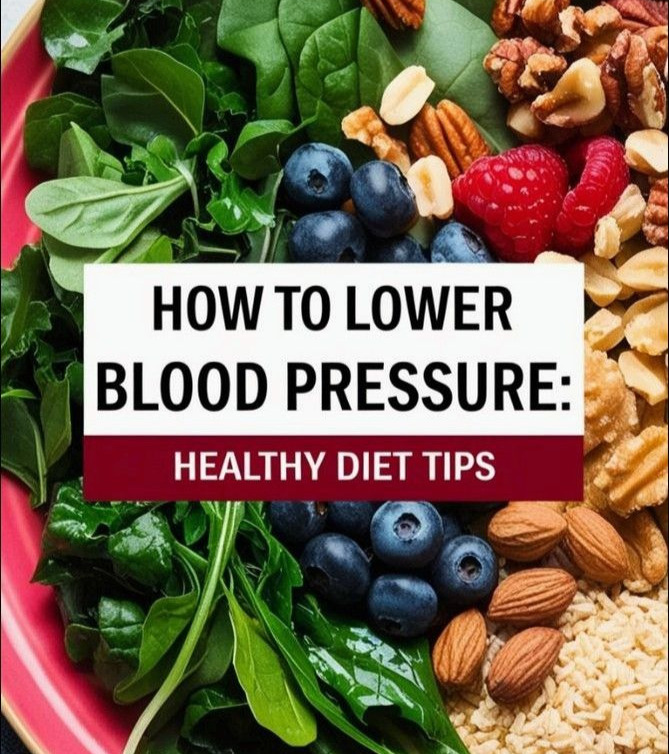
Healthy Diet for High Blood Pressure: A Guide to Better Blood Pressure Control
Managing high blood pressure (hypertension) starts with more than medication. Your everyday diet can have a major influence on blood pressure, heart health and overall wellbeing. This diet plan for high blood pressure focuses on readily available, nutritious foods such as sukuma wiki, spinach, kunde, beans, ndengu, sweet potatoes, whole grains, fish, fruits and avocado. These foods provide fibre, vitamins, minerals and other nutrients that can support cardiovascular health while helping you maintain a healthy weight. However, a healthy diet should complement—not replace—blood pressure medication prescribed by your healthcare provider.
One of the most important principles of a hypertension diet is reducing sodium (salt) intake. Excessive sodium can contribute to fluid retention and increased blood pressure. People with high blood pressure should reduce added salt and limit highly processed and salty foods such as sausages, bacon, crisps, instant noodles, processed meats, stock cubes and heavily salted snacks. Instead, meals can be flavoured naturally using garlic, ginger, onions, tomatoes, coriander, lemon, turmeric and other herbs and spices. The diet should also prioritize vegetables, whole grains and fruits while reducing sugary drinks, highly processed foods and excessive unhealthy fats.
The meal plan also emphasizes potassium-rich foods for blood pressure, including bananas, avocado, beans, leafy green vegetables and potatoes. Potassium can help counter some of the effects of sodium and is an important nutrient for maintaining healthy blood pressure. Nevertheless, people with kidney problems or those taking certain medications may need to limit potassium, so they should seek individual medical advice before significantly increasing potassium-rich foods. Drinking adequate water and choosing whole fruits instead of sugary fruit juices can further support healthy eating habits.
Consistency is key when managing hypertension. Following a healthy meal plan for high blood pressure should not mean abandoning familiar foods; rather, it means preparing them differently and controlling portions. Choose boiled, steamed, grilled or lightly cooked foods instead of deep-fried meals, make vegetables a significant portion of your plate, choose lean proteins such as fish and skinless chicken, and keep portions of ugali, rice and other starches moderate. Combined with regular physical activity, maintaining a healthy weight, avoiding smoking, limiting alcohol and taking prescribed medication correctly, these dietary habits can contribute significantly to better blood pressure control and long-term heart health.