Kids With Arthritis: What Every Parent Needs To Know
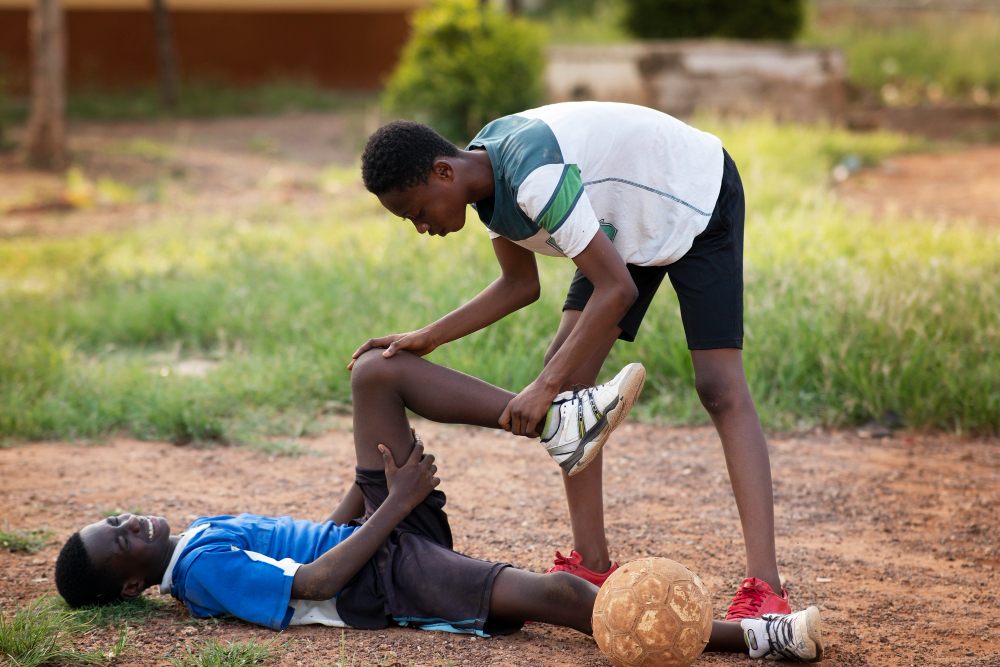
Children are supposed to run, jump, and never sit still. So when a child suddenly avoids play, complains of joint pain, or struggles to walk in the morning, something is off. It starts small, a sore knee, a swollen joint, a child refusing to walk.
Most parents wait. They hope the pain will pass. They try home remedies. They delay going to hospital. By the time they act, the condition has already progressed. Easy to misread. That’s exactly why juvenile arthritis often goes unnoticed until real damage is already done.
What Exactly Is Juvenile Arthritis?
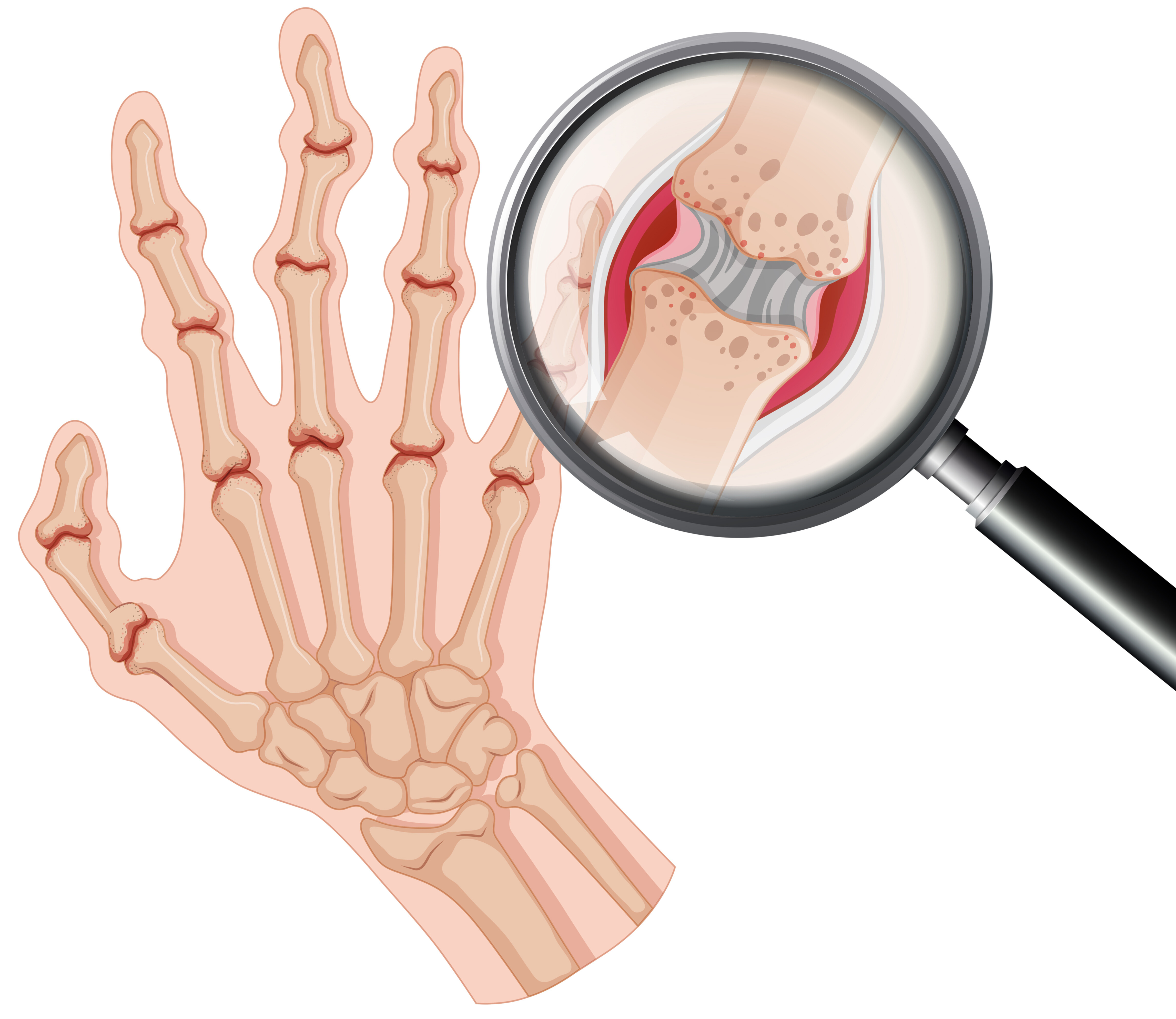
Juvenile arthritis refers to a group of conditions that cause joint inflammation (swelling, pain, stiffness) in children under the age of 16. It is not caused by aging like adult arthritis. Instead, it’s often linked to the immune system mistakenly attacking the body’s own tissues. Many cases go undiagnosed for months because parents and even some doctors first think of malaria, sickle cell or “growing pains.”
Types of Juvenile Arthritis
There isn’t just one type—this condition comes in several forms:
- Oligoarticular (most common): Affects four or fewer joints. Often easier to manage but needs regular eye checks.
- Polyarticular: Five or more joints. Can be mild or more stubborn.
- Systemic: Whole-body symptoms like high fever, rash and swollen lymph nodes along with joint pain.
- Enthesis's-related: Inflammation where tendons attach to bone (often in older kids).
- Psoriatic: Comes with skin patches (psoriasis) and nail changes.
- Undifferentiated: Doesn’t fit neatly into one category.
Each type behaves differently, which is why diagnosis matters.
Causes: Why Does It Happen?
The exact cause is unknown, but it’s a mix of genes and triggers like infections or the environment. It is not contagious, and it’s rarely passed directly from parents. Some families have a history of autoimmune issues, but most kids with JIA have no family link. It affects boys and girls, though some types are more common in girls.
Common Signs to Watch For
Symptoms can come and go, but they often last more than six weeks. Look out for:
- Morning stiffness – your child limps or struggles to move after waking or after a nap.
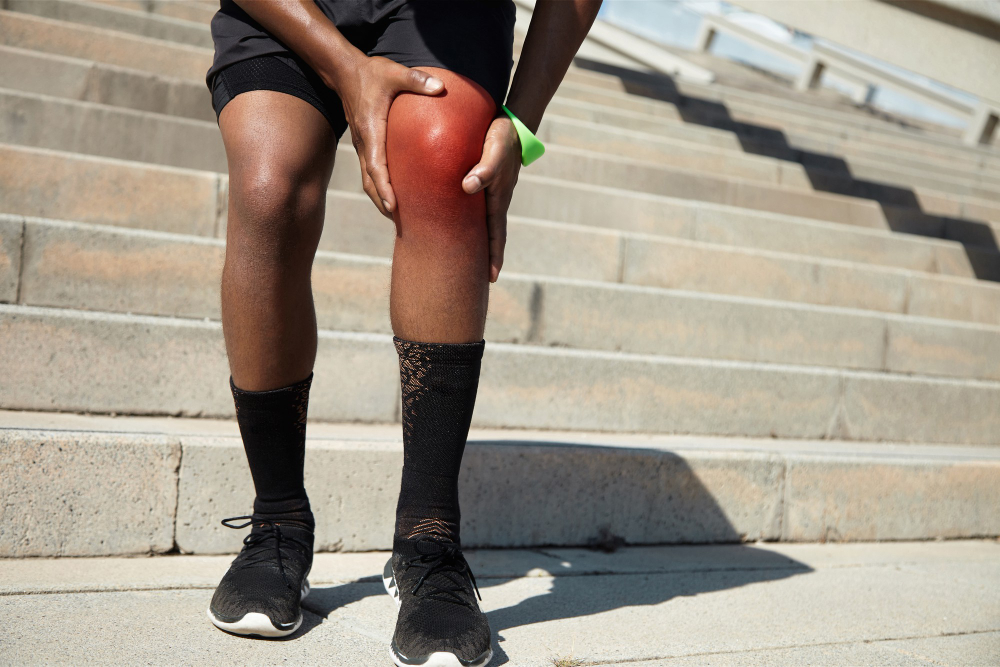
- Swollen, warm, or painful joints – knees, wrists, ankles, fingers, or even the neck.
- Tiredness and low energy – even after a good night’s sleep.
- Fever and rash (especially in the systemic type) often come with a general feeling of unwellness.
- Eye problems – redness, blurry vision, or light sensitivity (this can happen even without joint pain).
- Slow growth or weight loss because eating hurts, or they feel too tired.
If your child keeps refusing to play or walk far, don’t brush it off as “laziness” – it could be their body asking for help.
How Doctors At Health-Link Clinic Diagnose It
There’s no single blood test for JIA. Doctors will:
- Ask about symptoms and family history.
- Examine the joints for swelling and warmth.
- Order blood tests to rule out infections or other illnesses.
- Sometimes recommend X-rays or ultrasounds.
- Refer to an eye doctor (ophthalmologist) because silent eye inflammation is common.
Diagnosis usually needs symptoms lasting at least six weeks. Early detection, the earlier you start treatment, the less damage to growing bones and joints.
Treatments That Work
The goal is simple: stop inflammation, ease pain, and keep your child moving and growing normally. Treatment is usually a team effort:
- Medicines:
- Anti-inflammatory painkillers for quick relief.
- Disease-modifying drugs
- Newer “biologic” injections that target the immune system more precisely.
- Physical and occupational therapy: Simple exercises to keep joints strong and flexible. Many kids do them at home, like “knee bends while watching cartoons.”
- Eye care: Regular drops or checks to protect vision.
- Rarely surgery: Only for very damaged joints, years later.
Diet: Food as Your Child’s Daily Medicine
There is no magic “cure-all” diet, but eating to fight inflammation can reduce flares and support growth. Focus on anti-inflammatory meals – cheap, tasty and from our local markets:
- Load up on colorful fruits and vegetables: Sukuma wiki, spinach, mrenda, carrots, mangoes, pawpaw and oranges. They’re packed with vitamins that calm inflammation.
- Omega-3 power: Local fish like tilapia, omena (dagaa) or mackerel – grill or steam twice a week. Flax seeds or groundnuts also help.
- Whole grains and fibre: Millet porridge, brown ugali (or sorghum), beans, lentils and green grams. These keep the gut happy and reduce swelling.
- Spices that heal: Turmeric (in your curries), ginger (in chai or tea) and garlic – nature’s anti-inflammatories.
- Protein for strong bones: Eggs, beans, chicken or fish. Pair with calcium-rich foods like yoghurt, milk or small fish with bones.
- What to limit: Sugary sodas, deep-fried mandazi and chips, processed snacks and too much red meat. They can make inflammation worse.
Stay hydrated – plain water or weak ginger tea is best. If your child is on methotrexate, extra folate-rich greens help. Always check with a doctor or nutritionist before big changes.
Everyday Life: School, Play, and Family Support
Kids with JIA can still go to school, play, and dream big. Tips for families:
- School: Tell teachers about morning stiffness – let your child arrive a bit later or have a cushion for the desk. Many schools now understand with a simple note from the doctor.
- Exercise: Swimming (if you can access a pool), gentle cycling or dancing to Lingala music. Avoid high-impact sports during bad flares.
- Rest and routine: Good sleep and short breaks during the day prevent tiredness.
- Emotional health: JIA can make kids feel different. Talk openly, join support groups (Hope Arthritis Foundation runs great programmes) and celebrate small wins.
- Family power: In our culture, family is everything – involve aunties, uncles and siblings in helping with exercises or meal prep.
When to See a Doctor
Don’t wait if your child has persistent joint pain, swelling, limping, or unexplained fever/rash. Early action now can save years of pain later. Start by visiting us at our clinics.
Juvenile arthritis is not a life sentence – it’s a challenge your family can meet together with love, good food, proper medicine, and community support. If your child has symptoms, book that appointment today. A brighter, pain-free tomorrow starts with one step.
For more help, reach out to Doctor Chris Wambui on 0731500900. Your child deserves to run, laugh, and chase their dreams – just like every other Kenyan kid.
Stay strong, stay informed, and keep the faith.