
Body Odor That Won’t Go Away? What You Need To Know
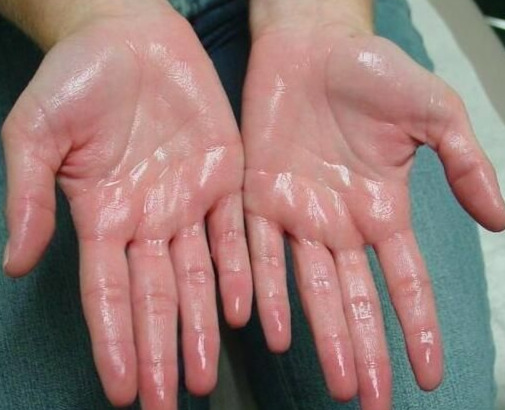
Some people can skip a shower and not smell at all, while others bathe twice a day yet still struggle with body odor by midday, as if they hadn't bathed at all. People may not say anything directly, but you can notice their reactions: windows opening, people shifting in their seats, and conversations ending abruptly. What if the issue isn't hygiene... and never has been? It’s interesting to note that sweat itself has very little smell. However, body odor can be quite strong and fill an entire room. So, where does this smell originate? Many individuals struggling with persistent body odor often attempt to be excessively clean in their efforts to eliminate it. Unfortunately, the more they wash, the more frustrated they become. The reason for this frustration is that they are battling sweat, while the true culprit is actually the bacteria that interact with the skin. Body odor disorder is a condition where sweat produces an unusually strong and unpleasant smell. This happens when bacteria on the skin break down sweat, creating foul odors that can be embarrassing and affect daily life.
What Is Bromhidrosis?
Bromhidrosis is a persistent condition characterized by intense body odor that does not improve with good hygiene practices. This issue primarily affects areas with active sweat glands, such as the armpits, feet, groin, and sometimes the scalp or nipples. Unlike regular body odor, bromhidrosis is a chronic problem that requires more than basic hygiene to manage. There are two main types:
- Apocrine bromhidrosis: This is the most common type. It comes from apocrine sweat glands, which become active during puberty. These glands produce a milky sweat that bacteria love to break down, leading to smells described as "sour" or "rancid." It's often linked to stress, hormones, or puberty.
- Eccrine bromhidrosis: This involves eccrine sweat glands, which are all over the body and help regulate temperature. The odor here can stem from diet, medications, or infections, as the sweat mixes with bacteria or other substances.
Who Gets Bromhidrosis? Bromhidrosis can affect individuals of all ages, races, and genders, but it is more prevalent in adults due to the activation of sebaceous and apocrine sweat glands during puberty. Notably, the elderly exhibit a different body odor compared to babies, pre-pubescent children, teenagers, and adults. The condition tends to be more common in males and is particularly problematic in hot, humid tropical climates.
Who Is More Likely to Get It
- You are at higher risk if you: Live in hot climates,
- Have diabetes
- Wear synthetic clothes
- Sweat heavily
- Eat high-spice diets daily
- Are overweight
- Have a hormonal imbalance
- Shave irregularly (hair traps bacteria)
- Reuse shoes frequently
- Have fungal infections
What Causes Bromhidrosis?
The unpleasant odor often associated with sweat is primarily caused by bacteria residing on the skin. These bacteria break down sweat, leading to the production of various smelly byproducts, including short-chain fatty acids and ammonia. Here's a breakdown of common triggers:
Bacterial Overgrowth: Bacteria like Corynebacterium, Propionibacterium, and Staphylococcus thrive in warm, moist areas.
Poor Hygiene or Lifestyle: Not showering regularly, wearing tight synthetic clothes that trap sweat, or not changing sweaty outfits can worsen it. Shaving armpit hair can help reduce bacteria buildup.
Diet and Substances: Foods like garlic, onions, spicy curries (common in Kenyan cuisine), alcohol, or caffeine can make sweat smell stronger. Certain medications or metabolic disorders (like diabetes or liver issues) can also contribute.
Hyperhidrosis (Excessive Sweating): Many with bromhidrosis also sweat a lot, creating more opportunities for bacteria. Stress or anxiety can trigger "anxiety sweat" from apocrine glands.
Other Factors: Infections, hormonal changes (e.g., during puberty or menopause), or inherited conditions. It's more common in teens and adults and can run in families.
Symptoms of Bromhidrosis
The main sign is a strong, offensive odor that doesn't go away with regular bathing. Other symptoms include:
Excessive sweating in affected areas, leading to wet clothes or stains (yellowish from apocrine sweat mixing with fabrics).
Odors that worsen with heat, exercise, or stress—common in Kenya's climate.
Skin irritation or infections in sweaty areas.
Emotional effects: Low self-esteem, anxiety, social withdrawal, or avoidance of public spaces like matatus or markets.
If you notice smells like rotten eggs, fish, or vinegar, it might point to specific causes like diet or bacterium types.
How Is Bromhidrosis Diagnosed?
Diagnosis is straightforward and doesn't usually need fancy tests. A doctor at Health-Link Natural Clinic will:
Ask about your symptoms, medical history, diet, and hygiene habits.
Examine the affected areas for signs of infection or excessive sweating .
Sometimes, swab the skin to identify bacteria or rule out other conditions like fungal infections.
Visit Health-Link Natural Clinic for affordable check-ups. Early diagnosis can prevent complications like skin infections.
Treatment Options for Bromhidroses
Treatment for excessive sweating typically begins with simple measures that can be adjusted as necessary. The main objectives are to minimize sweat production, eliminate bacteria, and mask any associated odors.
Hygiene Routines: Shower twice daily with antibacterial soap (like those with triclosan, available in Kenyan pharmacies). Dry thoroughly and change clothes often. Shave underarms to reduce bacterial hiding spots. Antiperspirants and Deodorants: Use aluminum-based antiperspirants to block sweat pores. Apply at night for best results. Deodorants mask smell but don't stop sweat.
Diet Changes: Avoid strong-smelling foods like garlic or hot spices. Drink plenty of water to dilute sweat.
Topical Antibiotics: Creams or ointments to kill bacteria. Your doctor might prescribe these if over-the-counter options fail.
Surgery: For severe cases, options like gland excision, liposuction, or sympathectomy remove or disrupt glands. These are last resorts due to risks like scarring.
Prevention Tips
Prevent bromhidrosis by making these habits part of your routine:
Wear breathable cotton clothes and open shoes to let sweat evaporate.
Use foot powders for smelly feet, common in humid areas.
Manage stress through exercise or relaxation, as it reduces "anxiety sweat."
Maintain a balanced diet low in odorous foods.
Regular check-ups if you have conditions like diabetes that worsen sweating.
Foods That Make Body Odor Worse
Certain foods can trigger strong reactions in some people, particularly in hot climates. Major offenders:
- Garlich
- Onions
- Curry & masala spices
- Red meat daily
- Alcohol
- Coffee excess
- Processed junk foods
- High sugar intake
Important:
You don’t need to eliminate them from your diet indefinitely; however, consistently consuming a large amount daily can lead to a persistent odor that lingers. Moderation is key to enjoying them without the unwanted side effects.
Frequently Asked Questions Answered By Dr. Chris
Is it linked to serious diseases? Rarely, but it can signal issues like thyroid problems—get checked if symptoms are new.
Are home remedies effective? Yes, like baking soda pastes or lemon rubs for natural antibacterial effects but combine with medical advice.
Does it affect relationships? It can cause social anxiety, but open communication and treatment help.
Is bromhidrosis common in Kenya? Yes, due to the climate, but awareness is growing with better hygiene products available.
Bromhidrosis doesn't have to control your life. With the right steps, you can feel confident and fresh. If you're struggling, talk to Doctor Chris Wambui on 0721 500 900