
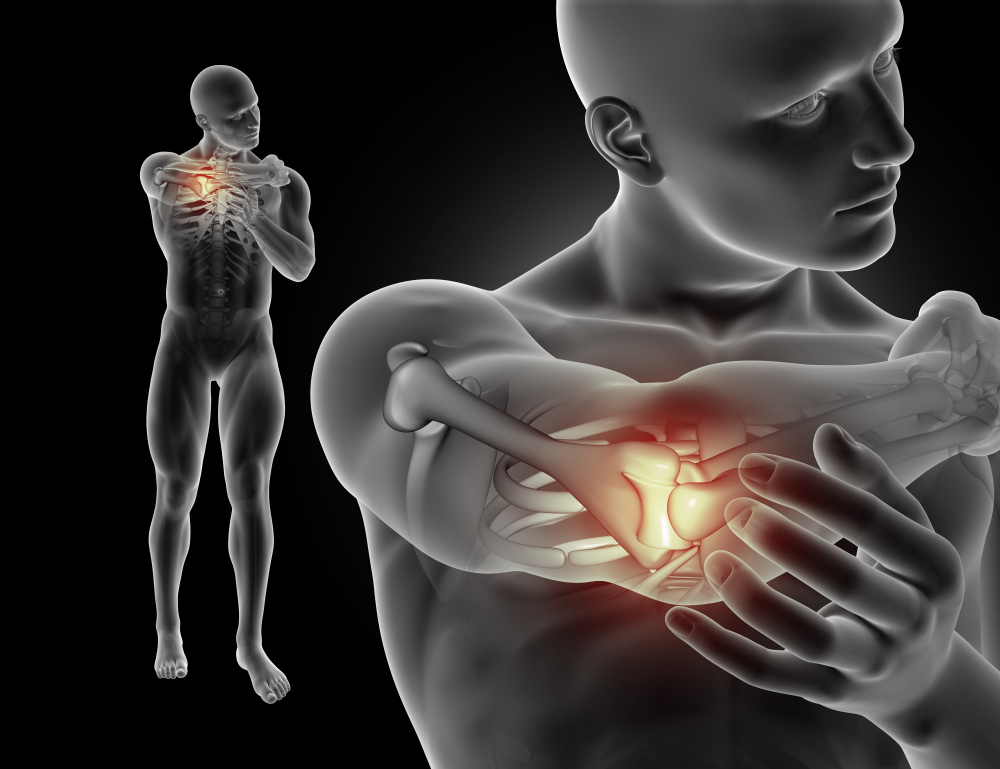
Uric Acid Is Quietly Destroying Your Joints — How to Stop It
There’s a condition that can cause grown men to experience limpness, loss of sleep, and a fear of walking—yet many people ignore it until it’s too late. What if the real cause of that sudden joint pain, swelling, or stiffness isn’t aging or fatigue, but something silently building up in your blood?
It often begins without warning. One night, you sleep well; the next morning, you wake up with a toe that feels as if it has been crushed by a hammer. You struggle to walk, and even the light touch of a bedsheet becomes unbearable. Most people dismiss it as a minor issue—until they discover it’s uric acid accumulating in their bodies over the years.
Let’s be honest: most problems related to uric acid are not simply bad luck; they are the consequences of lifestyle choices starting to catch up with you. What you eat, what you drink, and how you live each day all play a direct role. Your body keeps track of every meal, every drink, and every unhealthy habit—it all adds up. When it comes to uric acid, the consequences don’t manifest slowly; they hit suddenly, painfully, and repeatedly if no changes are made.
What Exactly Is Uric Acid?
Uric acid is a waste product your body makes when it breaks down purines. These are natural chemicals found in your own cells and in certain foods. Normally, your kidneys filter it out through urine, and everything stays balanced.
Normally:
- Your body dissolves uric acid in the blood
- The kidneys filter it out
- You pass it out through urine
But here’s the problem—when:
- Your body produces too much uric acid, or
- Your kidneys fail to remove it properly
Why Should You Care?
Because excess uric acid doesn’t just sit quietly—it turns into sharp crystals that settle in joints.
This leads to Gout, a very painful form of arthritis.
It can also lead to:
- Kidney stones
- Joint damage
- Chronic pain
- Reduced mobility
What Problems Can High Uric Acid Cause?
Gout – The most common. Sudden, severe attacks of joint pain (big toe is classic, but knees, ankles, wrists too). The joint swells, turns red, and feels hot. Attacks last 3–10 days but can come back.
Kidney stones – Uric acid crystals form stones that cause back/side pain, blood in urine, or trouble peeing.
Long-term issues – Linked to kidney damage, heart disease, and worsening diabetes.
Signs You Might Have High Uric Acid
Watch for:
- Sudden intense joint pain (often at night).
- Swelling, redness, and warmth in one joint.
- Lingering discomfort after the worst pain fades.
- Frequent kidney stone symptoms.
- Difficulty in walking
Early Signs:
Mild joint discomfort
- Occasional stiffness
If you’ve had this more than once, visit our clinics or call 0731500900
Common Causes
1. Diet (Biggest Problem)
High-purine foods increase uric acid:
- Red meat (nyama choma overload)
- Organ meats (liver, matumbo)
- Certain fish (omena, sardines)
- Excess beans and lentils (in large amounts)
2. Alcohol
Especially:
- Beer (very high risk)
- Spirits
3. Sugary Drinks
- Soda
- Processed juices
These increase uric acid production fast.
4. Poor Hydration
Not drinking enough water = uric acid accumulates.
5. Medical Conditions
- High blood pressure
- Kidney problems
- Diabetes
6. Weight Gain
Being overweight makes everything worse.
Uric Acid Levels (What Is Normal?)
- Normal: 3.5 – 7.2 mg/dL
- High: Above 7 mg/dL
Anything above that is asking for trouble.
How Do Doctors At Health-Link Clinic Check It?
Simple blood test at our labs. Sometimes they test joint fluid or recommend an ultrasound. Tell the doctor about your diet, alcohol, and any medicines you take (some blood pressure drugs raise uric acid).
Diet Guide: What to Eat and What to Cut Back
You don’t have to become a rabbit or stop enjoying food. Just smart choices. Purines in food raise uric acid, but not all high-purine foods are equal.
Foods to LIMIT or AVOID (especially during a flare):
- Red meat & organ meats: nyama choma, beef, goat in big portions, matumbo (tripe), liver, kidney.
- Seafood: sardines, mackerel, anchovies, shellfish.
- Alcohol: beer is the worst culprit – it stops your kidneys from clearing uric acid.
- Sugary drinks: sodas, packaged juices with high-fructose corn syrup.
- Processed foods and excess sweets.
Foods to ENJOY (these help or are safe):
- Vegetables: sukuma wiki, spinach, cabbage, carrots – load up! Even “high-purine” veggies like peas don’t trigger gout.
- Fruits: cherries (if you find them), oranges, mangoes, pineapples, berries – vitamin C helps flush uric acid.
- Low-fat dairy: milk, yoghurt, maziwa mala – these actually lower uric acid.
- Whole grains: ugali from maize, brown rice, oats.
- Eggs, nuts, and legumes (beans, lentils) – in moderation.
- Coffee and tea (unsweetened) – good news for many Kenyans!
Quick daily tips:
- Drink 8–12 glasses of water a day (more if it’s hot). Add lemon or majani for flavour.
- Aim for smaller meat portions – make veggies the star of the plate.
- Eat cherries or drink cherry juice when you can; studies show they reduce flares.
Lifestyle Changes That Make a Big Difference
- Lose weight slowly if needed – even 5–10 kg helps a lot. Crash diets make it worse.
- Exercise – brisk walking, cycling, or dancing 30 minutes most days.
- Stay hydrated – The sun makes dehydration easy.
- Cut alcohol – even one beer can trigger an attack in some people.
- Manage other conditions – control blood pressure, sugar, and cholesterol.
Treatment Options: From Pain Relief to Long-Term Control
During a painful flare:
- Rest the joint and use ice.
- Over-the-counter painkillers like ibuprofen (if your stomach and kidneys are okay – check with a pharmacist).
- The doctor may prescribe short-course steroids.
- Medication
Prevention: Live Well and Pain-Free
- Get your uric acid checked during your next routine medical (especially if you have a family history, diabetes, or high BP).
- Make small changes: one less beer, more sukuma, extra water.
- Tell your doctor about all medicines you take.
The Hard Truth Most People Ignore
Uric acid problems are largely self-inflicted.
- Too much meat
- Too much alcohol
- Too little water
- Too little discipline
You can’t out-medicate a bad lifestyle.
High uric acid isn’t a death sentence – it’s a signal to tweak your lifestyle. Millions of people manage it and still enjoy ugali na sukuma, family gatherings, and even the occasional celebration.
If your toe (or knee) is giving you trouble right now, don’t wait. Book that clinic visit at our nearest clinic. Your future self – and your joints – will thank you.
Stay strong, stay informed, and keep moving! If you have questions, talk to Dr. Chris Wambui on 0731500900