
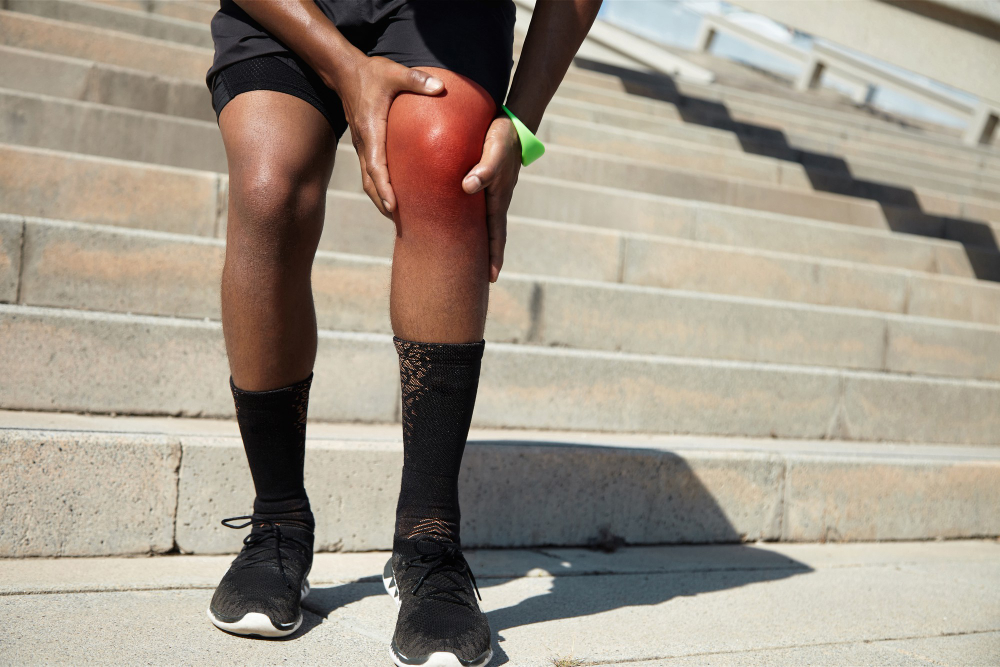
Osteoarthritis: The Joint Pain Many Know Too Well – And How to Manage It
Imagine feeling pain every time you stand up, sit down, or take a few steps. Simple things like climbing stairs or carrying shopping are becoming exhausting. Your knees protest as if you’ve aged 70 years overnight. No injury, no warning, just pain. You brush it off as normal tiredness or blame it on age. But what if that discomfort is something deeper, quietly damaging your joints every single day?
Most people ignore joint pain until it becomes unbearable. By the time you can’t walk properly or rely on painkillers daily, the damage is already serious. Osteoarthritis doesn’t shout; it creeps in slowly, and if you’re not careful, it can take away your mobility before you even realize what’s happening.
Think of your joints like hinges in a door. When they’re well-oiled, everything moves smoothly. But when that cushion wears out, the bones start rubbing against each other, causing pain, stiffness, and swelling.
What Exactly Is Osteoarthritis?
Osteoarthritis is a “wear and tear” disease of the joints. Over time, the smooth cartilage (the cushion between bones) breaks down. Bones start rubbing against each other, causing pain, swelling, and stiffness.
Commonly Affected Areas
Osteoarthritis usually targets joints that carry weight or are used a lot:
- Knees
- Hips
- Lower back
- Neck
- Hands and fingers
Who Gets Osteoarthritis
It’s more common than you think. Women are hit harder (especially after menopause), but men get it too. Common risk factors in our context:
- Age – Risk shoots up after 50.
- Extra weight – Every extra kilo puts more pressure on the knees. Old injuries – From football, farming accidents, or heavy lifting.
- Occupation – People who stand for long hours, engage in repetitive bending, or endure bumpy matatu rides.
- Family history and conditions like hypertension or diabetes.
- Lifestyle – Smoking or too much sitting/standing without movement
Spot the Symptoms Early
Osteoarthritis creeps up slowly. You might ignore it at first, thinking it’s just “body aches” after a hard day. Typical signs:
- Joint pain that worsens with movement or at the end of the day.
- Morning stiffness (less than 30 minutes – unlike other arthritis).
- Swelling or tenderness around the joint.
- Reduced flexibility – hard to squat, climb stairs, or open a jar.
- Grating or cracking sounds when moving.
- Feeling like the joint might “give way.
- Grinding sensation (like bones rubbing)
Diets That Fight Osteoarthritis!
An anti-inflammatory diet reduces swelling and helps with weight control. Focus on local, affordable foods instead of expensive supplements. Eat More of These (Every Day If Possible):
- Leafy greens: Sukuma wiki, spinach, amaranth (terere) – packed with antioxidants and anti-inflammatory goodness.
- Fruits: Oranges, mangoes, pawpaw, avocados – Vitamin C and healthy fats.
- Fish: Omena, tilapia fish twice a week for omega-3s
- Beans and legumes: Ndengu, beans, cowpeas – protein without the fat.
- Spices: Turmeric (in curry), ginger (in tea), garlic – natural anti-inflammatories.
- Whole grains: Brown ugali or whole maize meal, nuts if you can afford a handful.
Avoid or Cut Down:
- Sugary drinks, processed snacks (like crisps and sodas).
- Too much red meat or fried foods.
- Excess salt and alcohol.
Living Well with Osteoarthritis: Tips
- Protect joints: Use proper posture when lifting, and wear supportive shoes.
- Stay active: Gentle movement beats rest.
- Heat therapy: Warm compress or soak feet in hot water with salt.
- Community: Join support groups or talk to your church/mama group – you’re not alone.
- Mental health: Pain can be frustrating; prayer, family, or counselling helps.
Medical Treatment Options At Health-Link Natural Clinic
Our doctors will:
- Ask about your history and pain.
- Examine the joint for swelling and movement.
- Order an X-ray to see cartilage loss or bone spurs.
- Sometimes, blood tests to rule out other types of arthritis
Early diagnosis means better management!
Treatment Options At Our Clinics
1. Lifestyle Changes (Your Best Weapon)
- Exercise: Low-impact is key! Walk 30 minutes daily, swim in local rivers/lakes, or cycle. Strengthen muscles around joints with simple squats or leg lifts. Physiotherapy is available at many public hospitals.
- Weight loss: Losing even 5kg can cut knee pain by 50% – huge for Kenyan mamas and babas carrying loads.
2. Medicines
- Paracetamol for mild pain.
- Topical creams (rub-on gels) for knees/hands.
3. Surgery (For Severe Cases)
For advanced cases (when you can’t walk far), joint replacement is done
4. Injections
5. Supplements
6: Physiotherapy
Natural Remedies To Use
Warm compress- Helps with stiffness
Massage- Good for temporary relief
When to See a Doctor
If Pain wakes you at night, joint swells suddenly, you can’t walk, or it’s getting worse fast.
- Pain lasts weeks or months
- You can’t move your joint properly
- Swelling is severe
- Pain affects your daily work
Stop guessing and visit our clinics.
Final Takeaway
If you’re dealing with joint pain:
- Fix your diet
- Lose weight
- Stay active
- Seek treatment early
You don’t need to suffer in silence or just “accept it.”
Final Advice From Health-Link Natural Clinic
Osteoarthritis is common because of our hardworking lifestyles – but it doesn’t have to steal your joy or mobility. With smart eating (your market staples!), movement, and medical help when needed, many people keep farming, riding, and enjoying life well into their 70s and beyond. Talk to doctor Chris on 0731500900. Your joints will thank you!