
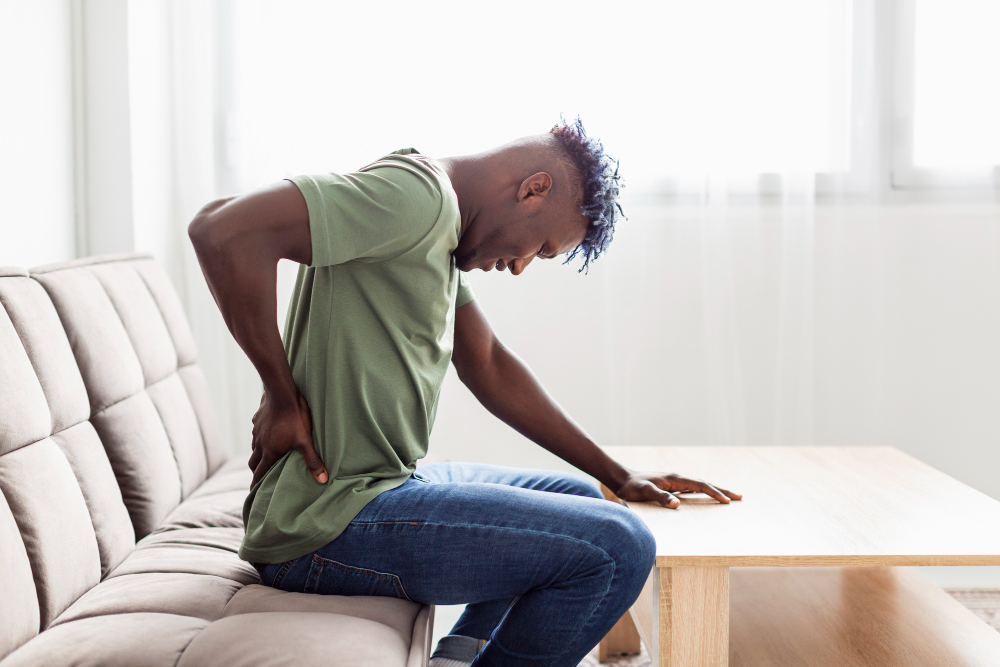
Muscle Spasms: The Sudden Pain That Catches You Off Guard
You are asleep, then suddenly, bam! A sharp pain grips your calf. Or maybe you are working, bending, or even just stretching, and a muscle tightens painfully out of nowhere. That’s a muscle spasm. It’s common, annoying, and sometimes frightening.
If you’ve ever experienced a muscle spasm, you already know—this is not just “small pain.” It’s the kind that makes you freeze and sometimes even panic. The real question is: why does it keep happening?
Most people think muscle spasms are random. They are not. In fact, your daily habits, what you eat, and even how much water you drink could be silently triggering them. The problem is, very few people connect the dots.
What Exactly Is a Muscle Spasm?
A muscle spasm is when one of your muscles involuntarily (you didn’t control it) contracts (tightens) on its own and won’t relax. It feels hard, like a rock under the skin, and hurts! Most often, it hits the calves, thighs, feet, or even your back. It usually lasts a few seconds to a few minutes, but it can feel like forever.
Common Causes – Why It Happens
The main culprits are things we deal with every day:
- Dehydration and heat: Hot sun and heat make you sweat buckets. You lose water and important minerals (electrolytes) fast.
- Low electrolytes: Not enough potassium, magnesium, calcium, or sodium in your body. These help muscles relax.
- Overuse or fatigue: Working long hours in the farm, lifting heavy loads, or playing football without warming up.
- Poor stretching or posture: Sitting squeezed in traffic or bending over all day.
- Other things: Pregnancy, certain medicines, or conditions like diabetes (common in Kenya).
In short: sweat + hard work + not drinking enough = spasms.
Symptoms of a Muscle Spasm
- Sudden tightness in a muscle
- Sharp or aching pain
- Visible twitching under the skin
- Muscle becomes hard to touch
- Temporary inability to move the muscle
Who is Most at Risk?
- Farmers and manual laborers
- Athletes and gym-goers
- Pregnant women
- Elderly people
- People who don’t drink enough water
Immediate Treatment: What To Do When a Spasm Hits
Don’t panic – here’s what works fast:
- Stretch it out – For a calf cramp, stand and press your heel down while keeping your knee straight. Hold 20-30 seconds. Gentle but firm.
- Massage – Rub the tight spot with your hands or a small amount of coconut oil.
- Apply heat or cold – Warm towel for tight muscles, ice pack if it’s sore after.
- Hydrate – Sip water or coconut water right away.
- Walk gently – Once it eases, move around to get blood flowing.
Long-Term Treatment & Prevention
Here’s where most people go wrong—they treat the pain but ignore the cause.
1. Drink Enough Water
- At least 2–3 liters daily
- More if working in the sun
2. Eat the Right Foods (Very Important)
Foods Rich in Potassium
Foods Rich in Magnesium
Foods Rich in Calcium
3. Stretch Regularly
- Before and after work or exercise
- Especially for legs and back
4. Avoid Sitting Too Long
- Stand up and move every 30–60 minutes
5. Proper Footwear
- Bad shoes can strain muscles
6. Reduce Alcohol & Excess Caffeine
- Both can dehydrate you
Home Remedies That Actually Help
- Warm salt bath
- Ginger tea (helps reduce inflammation)
- Turmeric milk (anti-inflammatory)
- Adequate rest
Diet Tips: Eat These Staple Foods to Stay Cramp-Free
Your plate can be your medicine! Focus on foods rich in potassium, magnesium, and calcium. They’re cheap and everywhere.
Top local foods to eat more of:
- Bananas – Packed with potassium. Eat 1-2 daily. Perfect after work.
- Sukuma wiki and other greens – Magnesium and calcium powerhouse. Cook it with your ugali.
- Avocados – Healthy fats and potassium. Mash on bread or eat plain.
- Beans and lentils – Great magnesium and protein.
- Milk, yoghurt, or maziwa lala – Calcium for strong muscles.
- Coconut water– Natural electrolyte drink, especially on the Coast or in markets.
- Oranges, watermelon, or sweet potatoes – Extra potassium and hydration.
Pro tip: Make your own cheap rehydration drink – 1 litre water + ½ teaspoon salt + juice of 1 lemon + 2 spoons sugar. Tastes better than expensive sports drinks!
When to See a Doctor
Visit our clinic if:
- Cramps happen every day
- They last more than 10 minutes or come with swelling/redness
- You have numbness, weakness, or it happens with fever
- You’re pregnant or have diabetes
Final Advice From Health-Link Clinic
Muscle spasms are annoying but totally manageable. By drinking more water, eating those bananas and sukuma wiki (kales), stretching a bit, and listening to your body, you can keep moving – whether you’re farming, hustling in town, or scoring goals on the weekend. They are common, but they’re not something you should just “live with.” They’re your body’s way of telling you something is off—usually hydration, nutrition, or overuse.
Take them seriously, adjust your lifestyle, and in most cases, they’ll reduce or disappear completely. Call Doctor Chris on 0731500900 for any consultation or visit any of our branches.