Dizzy, Weak, and Exhausted After Standing? Here’s What You Need to Know
Have you ever stood up too fast and suddenly felt dizzy, weak, shaky, or like your heart was racing? For many people, it lasts a few seconds and disappears. But for people living with Postural Orthostatic Tachycardia Syndrome, this can happen almost every day, sometimes so severely that even standing in a queue, cooking, taking a shower, or walking short distances becomes difficult.
POTS is still poorly understood in many parts of the world, including Kenya. Because the symptoms can look like stress, anxiety, malaria, low blood sugar, or “just tiredness,” many people suffer for years before getting proper help.
What Is Postural Orthostatic Tachycardia Syndrome (POTS)?
POTS is a disorder of the autonomic nervous system (the body’s autopilot that controls heart rate, blood pressure, digestion, and more). It causes your heart rate to spike abnormally when you change position, especially from lying or sitting to standing, without a big drop in blood pressure. Each word of “postural orthostatic tachycardia syndrome” has a meaning:
1: Postural
Postural comes from the word posture, meaning the position of your body, i.e., lying down, sitting, or standing. In POTS, the symptoms are strongly connected to changes in posture, especially when a person:
-Moves from lying down to standing
-Sits upright for long periods
-Stands for too long
In POTS, blood tends to pool in the legs and lower body, so less blood quickly reaches the brain and upper body. The body struggles to adjust to standing, which is why many people start to feel dizziness, weakness, faintness, brain fog, and a fast heartbeat.
So the word “Postural” means: “The condition is triggered or worsened by body position changes, especially standing.”
2: Orthostatic
Orthostatic is a medical word that means “Related to standing upright.” It comes from:
- Ortho = upright/straight
- Static = standing/staying in position
Orthostatic literally means standing upright. In POTS, the autonomic nervous system does not regulate circulation properly, blood pools in the abdomen and legs, the brain briefly receives less blood flow, and the heart tries to compensate. This leads to dizziness, blurred vision, shaking, weakness, nausea, and feeling like you may faint.
In short, the word “Orthostatic” points to: “Symptoms that happen when standing
3: Tachycardia
Tachycardia means “an abnormally fast heart rate.” It comes from:
- Tachy = fast
- Cardia = heart
Because blood is not circulating properly when standing, the body thinks the brain may not be getting enough blood, causing the heart to start beating much faster to compensate. In many POTS patients, heart rate may jump by 30+ beats per minute; some go from 70 bpm sitting to 120–150 bpm standing. This fast heartbeat can cause palpitations, chest discomfort, breathlessness, anxiety-like feelings, and exhaustion.
So “Tachycardia” describes: “the unusually rapid heartbeat that occurs, especially after standing.”
4: Syndrome
Syndrome means “A group of symptoms that happen together.” POTS is called a syndrome because people can experience many combinations of symptoms, including:
- Rapid heartbeat
- Dizziness
- Fatigue
- Brain fog
- Headaches
- Hausea
- Fainting
- Exercise intolerance
- Weakness
- Digestive issues
Some people have mild symptoms. Others become severely disabled.
Putting It All Together
Postural Orthostatic Tachycardia Syndrome (POTS) means: “A condition where standing upright causes an abnormally fast heart rate along with other symptoms because the body struggles to regulate blood flow properly.”
How These Problems Combine to Cause POTS
Step 1: The person stands up
Gravity pulls blood downward into:
- Legs
- Abdomen
- Lower body
Step 2: Blood circulation fails to adjust properly
The autonomic nervous system does not compensate effectively.
Step 3: Less blood reaches the brain
This can cause:
- Dizziness
- Brain fog
- Blurred vision
- Fainting feelings
Step 4: Heart speeds up to compensate
The body tries to push more blood upward.
Step 5: Symptoms appear
Including:
- Rapid heartbeat
- Weakness
- Shaking
- Fatigue
- Nausea
- Chest discomfort
What Causes Postural Orthostatic Tachycardia Syndrome (POTS)?
POTS is not usually caused by a single thing. It is more like a malfunction of the body’s automatic circulation control system. Different people develop it for different reasons, but the result is similar.
1: Neuropathic POTS (Nerve Damage Type)
This is one of the common forms. Small nerves controlling blood vessels become damaged or weakened. When damaged:
- blood vessels stay too relaxed
- blood pools in the legs
- circulation becomes inefficient
The heart then compensates by racing faster.
Possible causes of nerve damage:
- viral infections
- diabetes
- autoimmune diseases
- inflammation
- certain illnesses affecting nerves
Symptoms often include: purple legs when standing, cold feet/hands, numbness, blood pooling, and dizziness
2: Hyperadrenergic POTS (High Adrenaline Type)
In this type, the body overproduces stress hormones like:
- adrenaline (epinephrine)
- norepinephrine
The nervous system becomes overly “activated.”
What happens? When standing:
- The body releases excessive adrenaline
- Heart rate rises dramatically
- Blood pressure may also rise
- The person feels constantly “wired.”
Symptoms: shaking, anxiety-like feelings, sweating, pounding heartbeat, tremors, insomnia, chest discomfort
3. Hypovolemic POTS (Low Blood Volume Type)
Some people with POTS have:
- unusually low blood volume
- low plasma volume
- chronic dehydration tendencies
This happens because there is not enough blood circulating. Therefore, when standing, the reduced blood volume struggles against gravity, and the heart compensates by beating faster.
4: Post-Viral POTS
Many people develop POTS after:
- Flu
- COVID-19
- Mononucleosis (a highly contagious illness primarily caused by the Epstein-Barr virus) spreads through infected saliva via kissing, sharing utensils, or coughing.)
- severe viral illnesses
The virus or immune response may:
- damage nerves
- disrupt autonomic regulation
- trigger inflammation
- affect blood vessels
- alter heart rate control
5: Deconditioning (Body Weakening After Inactivity)
Long periods of:
- bed rest
- illness
- hospitalization
- inactivity
can weaken circulation control. The body becomes less efficient at:
- pumping blood
- maintaining blood pressure
- tolerating standing
Muscles weaken, especially in the legs, reducing blood return to the heart. This can worsen or trigger POTS in vulnerable people.
Why the Heart Beats So Fast
The rapid heartbeat in POTS is usually a compensation mechanism. The body is trying to:
- keep blood reaching the brain
- maintain oxygen delivery
- prevent fainting
So the heart speeds up because the circulation system is struggling.
Who Gets Postural Orthostatic Tachycardia Syndrome And Why?
1. Young Women and Teenage Girls Are the Most Common Group. This is the biggest pattern doctors see worldwide. Many develop symptoms: during puberty, after pregnancy, after hormonal changes, and during stressful physical periods.
2: People After Viral Infections: This is one of the biggest modern causes. Many people develop POTS after the flu, mononucleosis, stomach viruses, severe infections, and COVID-19. The viruses may damage autonomic nerves, disrupt heart rate regulation, alter blood vessel function, or trigger immune system dysfunction.
3: People with Autoimmune Conditions: Doctors increasingly believe many POTS cases involve the immune system attacking parts of the nervous system. Conditions linked with POTS include:
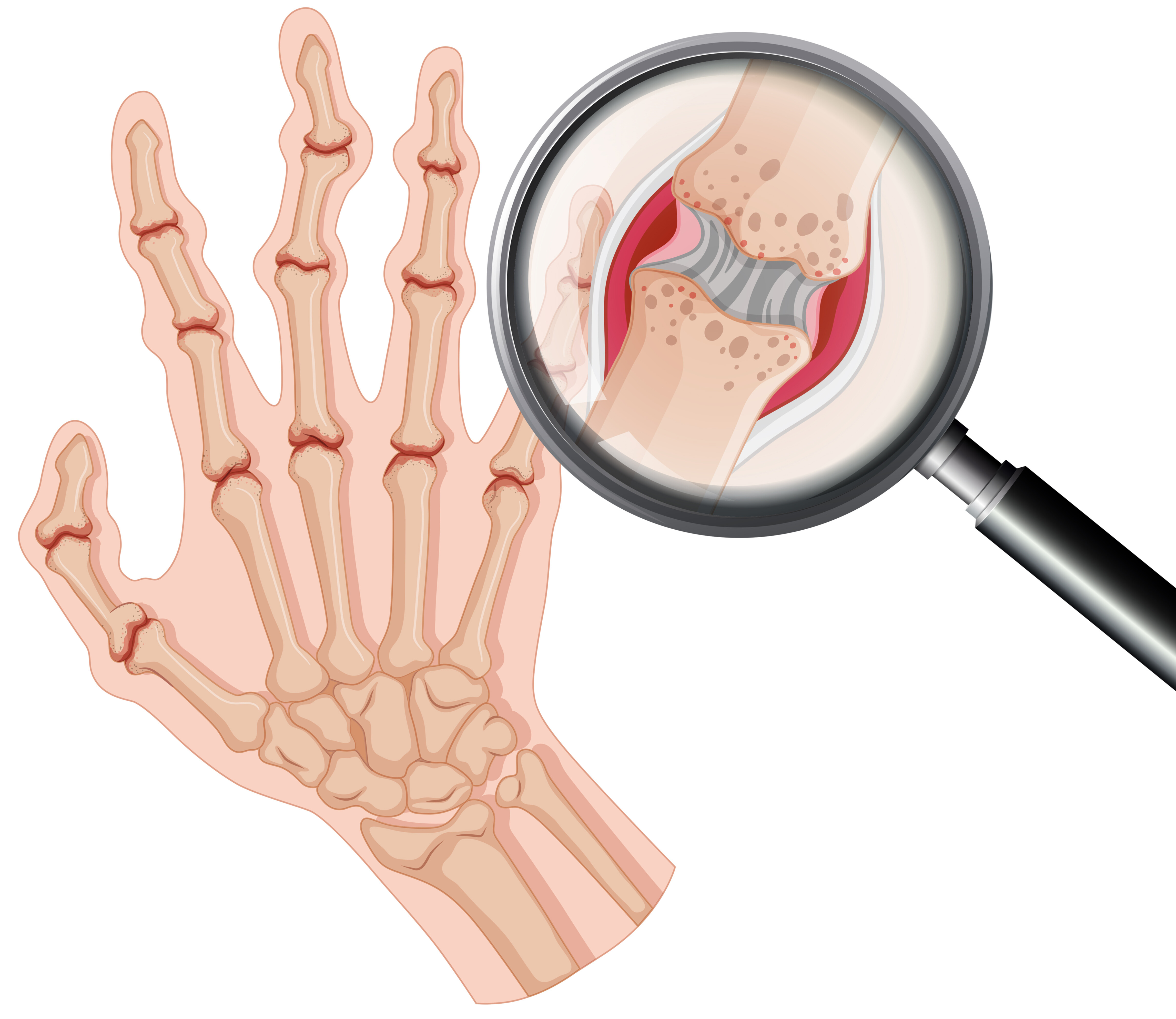
- Rheumatoid arthritis (RA): This is one of the biggest arthritis-related conditions associated with autonomic dysfunction. It is an autoimmune disease that means the immune system mistakenly attacks the body, or inflammation spreads beyond the joints. RA can affect: nerves, blood vessels, the heart, and circulation control. How RA may contribute to POTS:
- Chronic inflammation damages nerves. Long-term inflammation can impair the body’s ability to tighten blood vessels properly and regulate standing circulation.
- Autoimmune attack on autonomic receptors. The body essentially confuses its own nervous system for a threat.
- Fatigue and deconditioning. Severe RA weakens muscles, circulation worsens, and blood volume regulation declines.
- Lupus: Lupus can attack many body systems, like the joints, nerves, blood vessels, kidneys, brain, and skin. How lupus can lead to POTS
- Nervous system inflammation. Inflammation can disrupt heart rate regulation, circulation signaling, and autonomic nerves.
- Blood vessel dysfunction. Lupus can affect circulation stability, vessel tightening responses, and vessel flexibility.
- Psoriatic Arthritis: This inflammatory arthritis may also contribute indirectly. Chronic inflammation, immune dysregulation, blood vessel inflammation, and nervous system stress.
- Severe osteoarthritis. Severe osteoarthritis can indirectly worsen POTS through chronic pain, inactivity, deconditioning, poor exercise tolerance, and stress on the body.
4: People with Joint Hypermobility or Flexible Bodies: Many POTS patients are unusually flexible. But why does flexibility matter? Connective tissues support:
- blood vessels
- joints
- skin
- organs
If connective tissue is too loose:
- blood vessels stretch excessively
- Veins do not tighten effectively
- blood pools more easily
This can severely affect circulation.
5: People After Long Bed Rest or Inactivity: Some people develop POTS after:
- hospitalization
- surgery
- long illness
- prolonged inactivity
Inactivity makes the body become deconditioned. This causes:
- weaker leg muscles
- reduced blood vessel responsiveness
- lower blood volume
- poorer circulation efficiency
Standing becomes harder because:
- muscles no longer help pump blood upward effectively
This creates a vicious cycle:
less activity → worse circulation → more symptoms → even less activity.
6: People with Chronic Stress or Trauma: Stress alone does not directly “cause” POTS in most cases, but severe physical or emotional stress may contribute. Examples:
- major surgery
- traumatic accidents
- childbirth
- severe psychological stress
- chronic illness
Stress hormones affect:
- adrenaline release
- blood vessels
- nervous system regulation
- inflammation
In vulnerable people, major stress may push the nervous system into long-term dysregulation.
Common Symptoms: What Does It Feel Like?
Symptoms hit or worsen when upright and often improve when lying down. They vary but commonly include:
1: Dizziness and Lightheadedness- Many people feel dizzy after standing, unsteady, or may faint.
2: Rapid heartbeat (palpitations)- This is one of the biggest signs that a person may feel: heart pounding, fluttering in the chest, fast heartbeat after standing. Some people feel like they are having a panic attack even when they are calm.
3: Extreme Fatigue- POTS-related fatigue is not normal tiredness. Some people feel exhausted even after Small chores, walking short distances, showering, and climbing stairs.
4: Brain Fog- Many patients complain of: Poor concentration, forgetfulness, difficulty thinking clearly, and mental exhaustion. Students and office workers may especially struggle with this.
5: Headaches and Migraines- Reduced blood flow and nervous system imbalance can trigger frequent headaches, migraines, and pressure in the head.
6: Fainting or Near-Fainting- Some people collapse suddenly after standing for long, being in crowded matatus, waiting in queues, or being in hot environments.
7: Digestive Problems- POTS may also affect digestion, causing: Bloating, nausea, constipation, diarrhea, and stomach discomfort.
8: Sweating and Temperature Problems- Some people sweat excessively, feel unusually hot, cannot tolerate heat, and feel weak in sunny weather.
Diagnosis: Getting Answers
Diagnosis requires symptoms for at least 3–6 months plus a heart rate increase of 30+ beats per minute (or over 120 bpm) within 10 minutes of standing, without a significant blood pressure drop (for teens, it’s 40+ bpm).
Doctors use:
- Active stand test — Simple: Measure heart rate and BP lying down, then standing at intervals.
- Tilt table test (gold standard, if available).
- Blood tests to rule out other issues like anemia, thyroid problems, or infections
Management and Treatment: Living Better with POTS
Most people improve significantly with lifestyle changes. Treatment is personalized — work with a doctor.
1: Hydration: One of the Most Important Treatments
Many people with POTS improve when they increase fluids. Why? Because many POTS patients have:
- low blood volume
- poor circulation efficiency
- dehydration sensitivity
Doctors often recommend:
- frequent water intake
- electrolyte drinks
- increased salt intake (if medically appropriate)
2: Increased Salt Intake
Salt helps the body: retain fluid, increase blood volume, and support blood pressure. This can improve circulation to the brain. Why salt helps POTS:
- less blood pooling
- better circulation
- reduced need for the heart to overcompensate.
Important caution
Not every person should increase salt aggressively.
People with:
- kidney disease
- high blood pressure
- heart disease
need medical guidance.
Friendly salt/fluid support ideas
Some practical options may include:
- homemade soups
- oral rehydration solutions
- electrolyte drinks
- balanced hydration during hot weather
3. Proper Diets for POTS:
Kenyan meals are hearty and adaptable. Focus on smaller, frequent meals (large ones divert blood to digestion and worsen symptoms). Prioritize protein + veggies over heavy carbs.
- Staples: Ugali or njahi (beans) with added salt. Pair with protein like fish, chicken, eggs, or lentils.
- Veggies: Sukuma wiki, mchicha, cabbage — sauté with salt and garlic. Bananas for potassium.
- Proteins: Grilled samaki (fish), beans, groundnuts, or nyama in moderation. Smaller portions of githeri or rice.
- Snacks: Salted groundnuts, yogurt, fruit with a pinch of salt, or broths/soups.
- Carbs: Opt for foods like sweet potatoes, whole grains, or smaller servings of ugali/rice to avoid post-meal crashes. Eat often — every 3–4 hours.
- Avoid/Minimize: Very large nyama choma feasts, sugary drinks, or excessive caffeine, especially in heat.
Stay hydrated during farming, travel, or market days. Carry a water bottle and salty snacks.
4. Compression and Positioning
- Wear compression stockings (or tight socks) to prevent blood pooling in legs.
- Elevate legs when sitting. Raise the head of your bed slightly.
- Stand slowly; use leg muscles (isometric squeezes) before rising.
5. Exercise: Reclined and Gradual
Start reclined: swimming (great if accessible), rowing motions, recumbent biking, or seated exercises. Build core and leg strength. Cardiac rehab-style programs help many. Avoid upright intense exercise initially.
Walking in cooler times, swimming in safe waters, or doing yoga-like movements at home.
6. Other Lifestyle Tips
- Beat the Heat: Stay in shade, use fans, avoid hot showers (lukewarm), limit midday sun. Heat is a major trigger.
- Clothing: Loose, breathable fabrics.
- Sleep: Consistent routine; symptoms disrupt it.
- Triggers: Minimize prolonged standing, large meals, and illness (get vaccinated where possible).
Foods and Habits That May Worsen POTS
Some people feel worse after:
- Excess alcohol
- Excess caffeine
- Very sugary foods
- Heavy oily meals
- Skipping meals
- Severe dehydration
Final Thoughts
Many with POTS improve over time with consistent management. Quality of life can help people go back to work, family, and community life. If you suspect POTS, call Dr. Chris Wambui from Health-Link Natural clinic for assistance on 0731500900. Track symptoms and don’t give up.